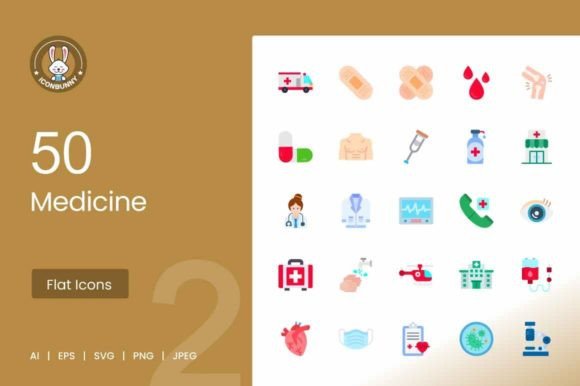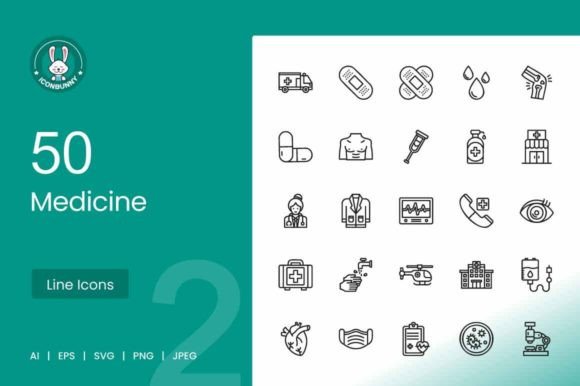
A Practical Look at 50 Medicine Flat Round Icons for Embroidery
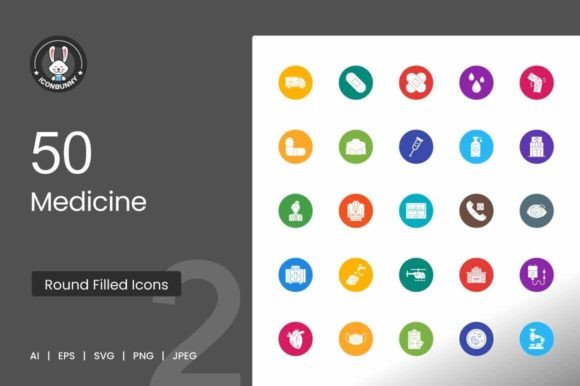
When I first opened the 50 Medicine Flat Round Icons set, my designer’s mind immediately went to a real project: a custom embroidered tote bag for a friend who’s a nurse. I wasn’t looking at these as digital graphics for a screen; I was imagining them stitched onto fabric. The flat, rounded style creates a clean, modern, and approachable mood. There’s a friendly professionalism here—it’s not overly clinical or cold. The simplicity of the shapes and the consistent circular frame tell me this design is built for clarity, which is exactly what you want when your embroidery needs to be recognizable and neat.
The Natural Home for These Icons in Your Craft Business
This collection isn’t about dramatic, decorative flair; it’s about clean, communicative symbols. That means its natural fit in the embroidery world is for products where information and recognition are key. Think of a beautifully embroidered apron for a pharmacy employee, a personalized pillow cover for a medical student, or a subtle, stylish patch on a therapist’s laptop bag. For small shops and Etsy sellers, these icons could elevate a line of “healthcare hero” gifts—embroidered tea towels, blanket corners, or baby items for a new pediatrician’s family. The round, contained shapes lend themselves perfectly to becoming a focal point on a sweatshirt or the corner of a kitchen towel, a finished product that looks intentional and professional.
Stitching Considerations: Where Clarity Meets Fabric
In real-life embroidery, these icons will perform well because of their defined borders and generally open layouts. However, any design with smaller interior details demands attention. When translating these to an embroidery file, you must consider stitch density. Very dense fill stitches in all those round backgrounds could make a stiff, heavy patch, especially on lighter fabrics like a baby blanket or a t-shirt. I’d advise testing a single icon on scrap fabric first. Check the thread color contrast, particularly if you’re planning to stitch on dark fabric—a lighter underlay or a smart choice of thread colors will keep those symbols crisp.
For textured or stretchy fabrics, like on a cap or a curved cap surface, you’ll need proper stabilizer to keep those perfect circles from distorting. And while the flat design is a blessing for clarity, be cautious with very small hoop sizes. Some of the finer details inside the icons, like tiny crosses or minute bottles, might need simplification or could become a blur of stitches if the size is reduced too much. Always inspect those small details in your embroidery software before committing to a hoop.
The Impact on Your Product’s Value and Appeal
Using a cohesive, professional set like this does more than just decorate an item; it builds customer trust and enhances your handmade presentation. A client receiving a custom embroidered tote with a clean, well-stitched medical icon feels the thoughtfulness and quality immediately. It signals that you, as the maker, understood the theme and executed it with care. For your craft business, it adds brand consistency if you’re creating a series of healthcare-related products. The giftability skyrockets because the icon is universally understood—it’s a direct, visual language that resonates.
This isn’t just about aesthetics; it’s about communication. An embroidered patch with a clear pharmacy icon on a boutique’s merchandise instantly communicates its purpose. It engages buyers because it solves a problem: it clearly marks an item as a gift for a specific person or profession. The professionalism of the design set transfers to the professionalism of your finished product.
Essential Notes Before You Stitch and Sell
My practical advice always starts with testing. Run a single icon—perhaps the heart with a pill or the syringe—on a scrap of the actual fabric you intend to use. Compare how it looks on both light and dark fabric backgrounds. This will inform your thread choices. Since the product description mentions multiple formats, ensure you are working with a proper embroidery file format compatible with your machine. The provided AI or EPS files are fantastic starting points for digitizing, but you or your digitizer will need to create the actual embroidery file with appropriate stitch types—satin stitches for borders, fill stitches for backgrounds, running stitches for fine lines.
Crucially, confirm the licensing terms before selling any finished items or commercial embroidery projects. The description states it’s suitable for templates and illustrations, which suggests broad use, but always verify if selling physical embroidered products is covered. This step protects your small business. Finally, consider the product’s life: if you’re embroidering onto something that needs frequent washing, like an apron or tea towel, a less dense stitch version of these icons will hold up better and last longer.
In essence, the 50 Medicine Flat Round Icons set is a toolbox of clean, modern symbols. It’s not a flashy, decorative design but a purposeful one. For embroidery designers and makers aiming for clarity, recognition, and a polished look on custom apparel, personalized gifts, and small shop merchandise, it provides a strong foundation. Handle the translation to stitches with care, focus on fabric compatibility, and you’ll create finished products that feel both handmade and professionally perfect.