Hazardous Waste Symbols as Clever, Crafty Embroidered Graphics
As someone who stitches both for clients and for my own small shop, I approach new embroidery designs with a practical eye. I’m not just looking at a pretty graphic; I’m thinking about how it will perform on fabric, how it will feel to stitch, and what kind of finished product it will create. So, when I first saw the Hazardous Waste Set, my reaction was immediate and specific: this is unexpectedly clever design territory for embroidery.
The First Stitch: Mood and Visual Personality
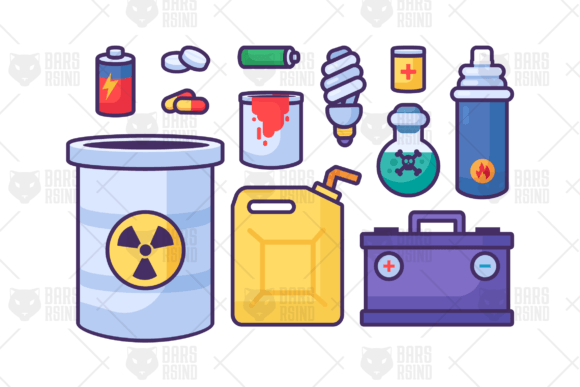
The set presents a dozen flat, outline-based symbols. We’re talking classic icons: the radioactive barrel, the combustible canister, the corroding battery. The style is graphic, clean, and slightly industrial. The mood it creates isn’t dangerous, but rather witty, ironic, and niche. It feels like a visual shorthand for someone with a dry sense of humor, a love for science, or a need for very specific workshop labeling. For an embroidery designer, this isn’t a floral motif; it’s a statement piece. It naturally belongs to projects where the message is as important as the craft: custom aprons for a chemist’s home kitchen, patches for a mechanic’s denim jacket, or tote bags for a university student in environmental sciences.
Where These Symbols Thrive in Stitched Form
Let’s imagine a real scenario. I’m preparing a custom embroidered sweatshirt for a client who runs a small, quirky science-themed boutique. They want a simple, recognizable graphic on the chest. One of these hazard symbols, stitched in a bold black satin stitch outline on a charcoal grey sweatshirt, instantly creates a professional yet playful product. The clean lines of the design translate beautifully into machine embroidery. The outlines are ideal for crisp satin stitch borders or even a running stitch for a more minimalist look on, say, a tea towel or pillow cover.
The versatility is strong. For baby clothes? Not for the typical nursery, but perhaps for a bold, graphic-themed “future engineer” baby blanket for a gift. For caps, the simpler symbols with fewer sharp corners would adapt well to the curved surface. As patches, these designs are fantastic—they’re self-explanatory and add instant personality to a bag or backpack. For a small business, like an Etsy seller specializing in handmade workshop aprons or garage organization products, incorporating one of these symbols as a small embroidered logo on the corner adds immense brand consistency and recognition. It signals a specific audience.
Practical Considerations Before Hooping Up
While the appeal is clear, the practical embroidery designer’s mind kicks in. These are outline vectors, which generally means good news for stitch density—they shouldn’t be overly dense, favoring clarity over fill. However, that detail level requires attention.
The small details, like the tiny flames on the combustible symbol or the intricate rays on the radioactive icon, need careful inspection in the embroidery file before stitching. On a very small hoop size, those details could become a blur of thread. They are best rendered at a size that allows each element to breathe. Textured fabrics like thick sweatshirt fleece can soften those sharp lines, so a good stabilizer is key to maintain definition.
Thread color contrast is paramount. These are graphic symbols meant to be read. Stitching them on dark fabric will require a planning shift—perhaps a bright, contrasting thread for maximum impact, or using them as a reverse negative space in an applique design. On light fabrics, classic black or dark grey thread will deliver that sharp, illustrative look. Always, always test the design on scrap fabric first, especially if you’re planning to use it on stretchy fabric like a t-shirt or on a layered garment like a cap where the curvature can distort simpler shapes.
Careful Application: Where to Think Twice
Some applications need a second thought. Baby clothes made from thin, delicate fabric might not be the best canvas for a design with many stitch points. Products that require frequent washing, like kitchen towels, would need the design placed where abrasion is minimal to preserve the outline integrity. The denser symbols, if any in the set have more internal detail, might become too stiff on a flexible tote bag. And while the set is fantastic for personalized gifts within a specific niche, its commercial embroidery use—say, for a large batch of uniforms for a waste management company—would require confirming the licensing terms for such bulk production. Never assume; check before selling the finished items.
The Stitched Result: Value, Trust, and Engagement
When stitched well, what does this Hazardous Waste Set deliver? For a handmade product, it moves beyond decoration into communication. It adds a layer of intellectual engagement. A customer buying an embroidered tote bag with a corrosive symbol isn’t just buying a bag; they’re buying a sense of identity, a joke, or a professional marker. That increases perceived product value and builds customer trust in your brand as one that understands specific aesthetics.
The visual clarity of a well-embroidered outline symbol looks professional. It feels deliberate. For giftability, it’s perfect for that one person who’s hard to shop for—the chemist, the safety officer, the comic book fan. It’s recognizable enough to be instantly understood, yet niche enough to feel specially chosen. In your Etsy listings or craft fair displays, these embroidered items stand out. They tell a story in the product photo itself, which is a huge advantage in digital product previews and printable mockups for your craft business.
Final Designer Notes Before You Start
My final advice is rooted in real project use. Review the embroidery file thoroughly. Look at the paths for each symbol—are they clean and closed for smooth stitching? Compare how the design looks in a black and white mockup on both a light and dark background to plan your thread palette. Confirm the hoop size you’ll need to achieve the detail level you want. Remember, these are illustrations, graphics meant to be clear. Your job as the embroiderer is to translate that clarity into thread.
Whether you’re creating a personalized gift for a friend who loves industrial design or producing a line of patches for your small shop, the Hazardous Waste Set offers a unique and practical graphic foundation. It’s not for every project, but for the right project, stitched with consideration for fabric, size, and detail, it becomes more than a design—it becomes a perfectly crafted statement.