Heart Illustrations for Embroidered Projects
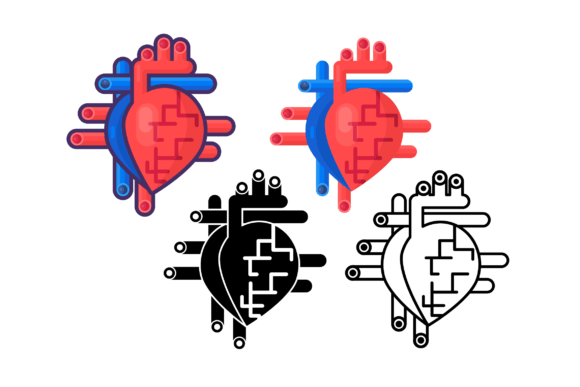
When a design set like Human Heart Organ Illustrations lands in your project folder, the first question isn't just about its quality—it’s about its potential. As a designer who stitches, I’m looking at these files with the embroidery hoop in mind. What kind of mood does a detailed heart, with chambers and vessels rendered in both flat and solid styles, create on fabric? It’s scientific, yet inherently human. There’s a clarity and a quiet confidence in the shape, a balance between anatomical truth and illustrative charm. This isn’t a cartoon heart. It feels authentic, a piece that could lend serious value to a project aimed at medical professionals, students, or anyone who appreciates a blend of education and art.
The Natural Fit for Stitched Products
My immediate thought is to picture this design stitched out. I imagine it on a custom tote bag for a biology teacher, or as a central motif on a sweatshirt for a cardiology nurse. The vector foundation means the details are crisp, which translates well to embroidery file outputs. The monochrome styles are perfect for straightforward, striking applications—think a single-color satin stitch outline on a dark apron for a science-themed café. The colorful, solid styles, however, invite more play. They could become vibrant fill stitch areas on a pillow cover for a home office or a detailed patch for a lab coat.
The level of detail here suggests it belongs on projects where the embroidery area is generous enough to honor it. A baby item or a cap’s curved surface might be challenging unless you’re using a simplified version or focusing on the core silhouette. For crafters and Etsy sellers, this design could elevate a product line from generic to niche. A simple kitchen towel with a heart icon is common; a towel with this specific, illustrated heart tells a story. It becomes a personalized gift for a very specific recipient, increasing its perceived value and giftability.
Where This Design Excites and Where It Requires Care
In real-life embroidery situations, Human Heart Organ Illustrations performs beautifully on stable, medium-weight fabrics. Think of it on a tote bag, a pillow cover, or the front of a sweatshirt. For apparel decorators, it could be a standout element on a t-shirt for a fundraising event related to heart health. As a digital embroidery file, it’s a versatile asset for creating printable mockups to sell digital products or to preview a finished product for a client.
However, the practical designer knows to tread carefully in certain areas. The visible blood vessels and chamber details mean there are smaller elements. On textured fabrics like some blankets, or on very thin or stretchy fabrics, those fine lines might lose clarity without the right stabilizer and stitch type. On dark fabric, thread color contrast is critical—the monochrome styles would need a very light, bright thread to pop. Stitching this on a small hoop size could compress the details, making them dense and potentially puckering the fabric. Always test on scrap fabric first, especially if you’re planning to use it on a curved surface like a cap, or on a product that will undergo frequent washing, like a tea towel.
Thinking Like a Customer: Visual Appeal and Trust
When a customer sees this design embroidered on a product, the reaction is likely one of recognition and appreciation for the craftsmanship. The anatomical accuracy lends a professionalism that generic shapes lack. For a small shop product or boutique branding, using such a specific graphic builds customer trust—it shows you understand your audience’s interests deeply. The handmade presentation gains authority. For a holiday gift, say for a doctor, or a wedding gift for a couple in the medical field, it feels thoughtfully curated, not mass-produced.
This affects buyer engagement directly. In an Etsy listing or craft fair display, a product featuring this heart illustration stands out in the “science gifts” or “educational decor” category. It communicates a clear brand consistency if your craft business focuses on medical, educational, or thoughtful anatomical themes.
Practical Notes Before You Hoop the Fabric
Here’s my checklist before committing this design to a client project or commercial embroidery run:
- Run a test stitch on your chosen fabric type, with your chosen stabilizer. Inspect the small details—do the vessels stitch cleanly?
- Check thread color contrast against your background fabric. The colorful styles might need a palette adjustment to suit your thread library.
- Review the stitch density in the solid styles. Are they suitable for your machine and the fabric weight? Too dense on a lightweight shirt could cause issues.
- Confirm the effective hoop size needed to keep all details legible. This likely isn’t a micro-design.
- Test the design in black and white mockups for your digital product previews or listing photos to see how it reads without color.
- Compare how it looks on light and dark fabric backgrounds in your software preview to plan your product lines.
- Most importantly: Check the licensing terms for Human Heart Organ Illustrations. Confirm whether it’s cleared for personal and commercial projects, and understand any limits before selling finished items or using it as a commercial design asset in your embroidery business.
A Design With a Clear Pulse
Human Heart Organ Illustrations isn’t just another graphic in the Icons category. For makers and creative entrepreneurs, it’s a specialized tool. Its value lies in its specificity. It won’t fit every project, but where it fits—on custom apparel for medical professionals, on sophisticated nursery decor for a surgeon’s family, on unique patches for student backpacks—it will fit perfectly. It brings a visual personality of intelligent warmth. Your job as the embroiderer is to match that personality with the right fabric, the right product, and the right care in setup. When you do, the finished product won’t just look stitched; it will look thoughtfully designed.